Genuine Leather vs. Faux Leather: The Modern Artisan’s Guide to Authenticity
Luxury isn't just an aesthetic. It's a biological reality of hide that chemistry cannot replicate. You've likely felt the frustration of a "vegan" accessory that peeled and cracked within months. When weighing genuine leather vs faux leather, the choice often feels like a gamble between heritage and plastic. Labels like genuine, vegan, and PU often hide the truth about durability and environmental cost. Whether you're selecting an iPhone 17 Pro Max Leather Case or a Rally band, you deserve to know exactly what you're holding. We understand you value character over fleeting trends. You want goods that age with grace, not items destined for a landfill.
This guide demystifies material grades and explores new 2026 international standards like ISO 20999. We'll examine the cost-per-wear formula that favors real hide over cheap synthetics. You'll learn how to spot high-quality leather and understand why premium materials are a commitment to your personal story. Discover the visceral differences between heritage hide and synthetic alternatives to make an informed investment in your personal style. It's time to choose quality that lasts.
Key Takeaways
- Master sensory tests to distinguish natural grain irregularities from the repeating, cold patterns of machine-made polymers.
- Understand the long-term investment value of genuine leather vs faux leather through the lens of durability and material character.
- Learn why a developing patina acts as a visual history of your journey, a luxury that synthetic materials simply cannot achieve.
- Decode the sustainability paradox by comparing the life cycle of natural byproducts against the environmental cost of fossil-fuel-derived plastics.
- Realize why high-performance tech requires the superior grip and tactile feedback found in an iPhone 17 Pro Max Leather Case.
The Great Leather Divide: Deconstructing the 'Vegan' Label
Words hold weight. Years ago, plastic was a label for the cheap and disposable. Today, marketing rebrands these materials as vegan to tap into modern ethics. While the intent might be ethical, the material reality remains unchanged. When comparing genuine leather vs faux leather, we're looking at a fundamental clash between organic evolution and chemical engineering. Genuine leather is a biological byproduct. It's a resource reclaimed from the food industry that would otherwise go to waste. Faux leather is a different story. It consists of synthetic polymers layered over fabric to mimic the textures of the natural world. A visual match is not a performance match.
What is Vegan Leather, Exactly?
Most vegan labels are euphemisms for high-grade plastic. The vast majority of these products rely on Polyurethane (PU) or Polyvinyl Chloride (PVC). These are petroleum-based substances designed for mass production. While some innovative plant-based alternatives like cactus or pineapple exist, they occupy a tiny fraction of the market. Most consumers end up with Artificial leather that is essentially fossil fuel in a different form. It looks like the real thing for a few months. Then, the chemical bonds fail. The surface peels. The illusion vanishes. When you weigh the merits of genuine leather vs faux leather, durability is the quiet judge of value.
The Biological Advantage of Real Hide
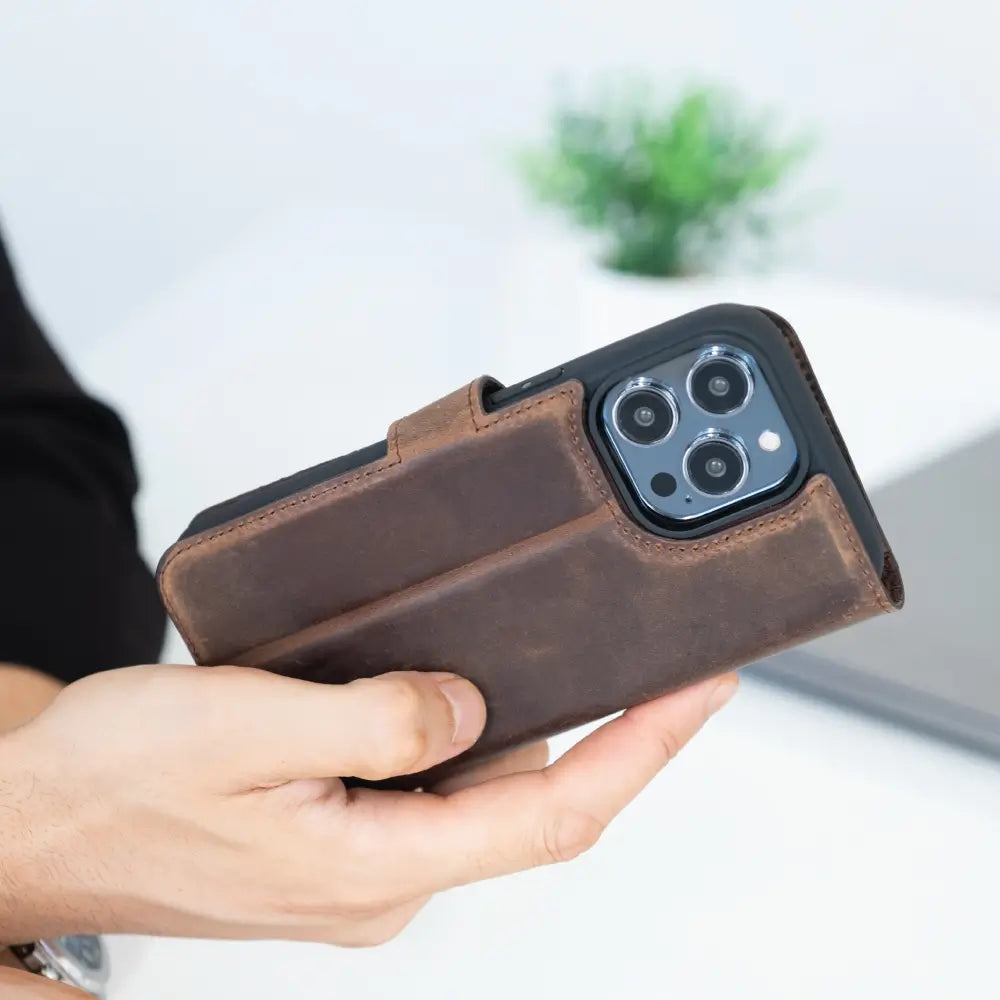
Nature is the ultimate engineer. Real hide is built from a complex matrix of collagen fibers. These fibers are interwoven in a way that provides incredible tensile strength. Synthetic alternatives can't replicate this natural architecture. They lack the structural integrity to withstand daily stress without tearing. This is why iPhone 17 Pro Max leather cases made from genuine hide offer a superior grip and longevity. They don't just sit on the phone; they become part of it.
Breathability is another factor. Organic pores allow for air circulation. This is vital for items in constant contact with your skin. If you've ever worn a plastic strap on a hot day, you know the discomfort. Our Leather Watch Bands: The 2026 Guide to Premium Craftsmanship focus on this tactile advantage. Real leather stays cool. It breathes. It works with your body, not against it. You aren't just buying a material; you're choosing a relationship with an object that understands human touch.
Sensory Anatomy: How to Distinguish Real Hide from Synthetic Polymers
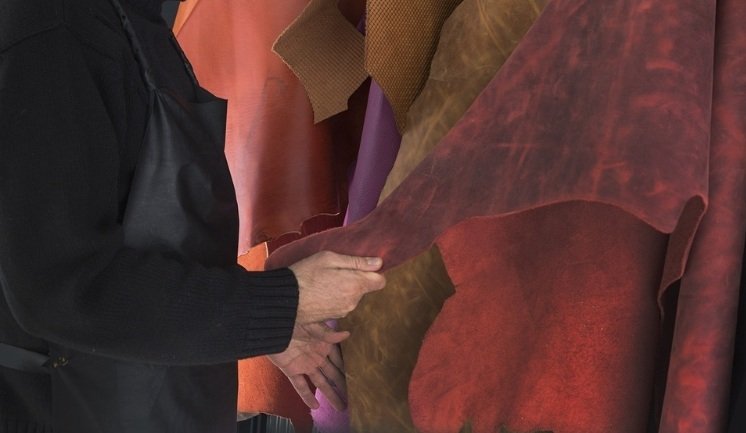
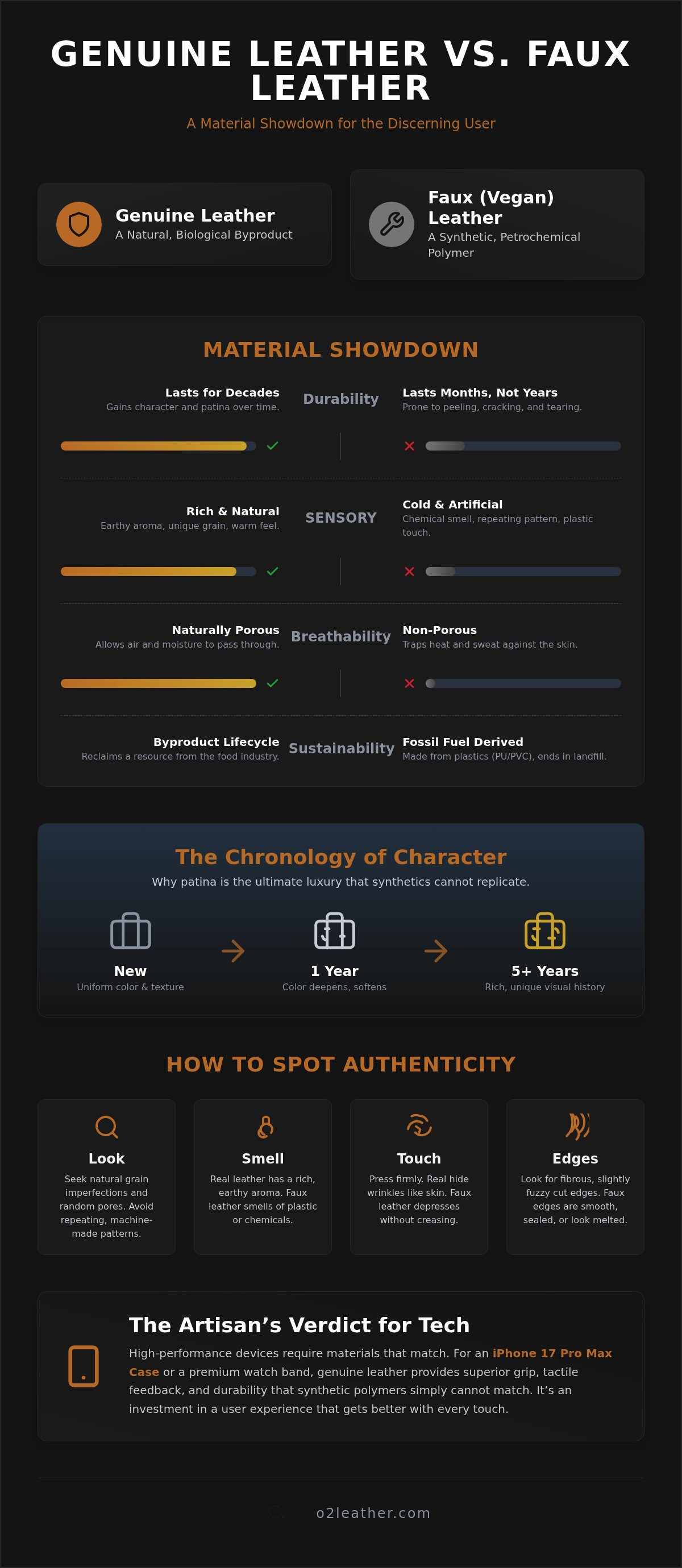
Authenticity isn't just a label. It's a feeling. To understand the reality of genuine leather vs faux leather, you must engage your senses. Start with the eyes. Real hide is beautifully imperfect. You'll see tiny variations in the grain, small scars, or subtle shifts in tone that reflect the animal's life. Synthetics look too perfect. They follow a repeating machine pattern that lacks soul. Then, use your nose. Real leather carries a rich, earthy aroma of tannins. Faux leather smells of chemical off-gassing or plastic, reminiscent of a new shower curtain.
The edges tell the final story. Turn a strap or a case over. Real leather shows a fibrous, slightly fuzzy edge where it's cut. Faux leather often has a smooth, plastic-coated finish or a border that looks melted. It's the difference between a living material and a factory product. These details define the tactile relationship you have with your everyday carry.
The Texture of Authenticity
Grab a magnifying glass. Look at the pores. In real hide, pores are scattered randomly. Some are deep; others are shallow. In synthetic polymers, pores are uniform. They're printed on. Try the wrinkle test. Press your thumb firmly into the material. Real leather will create fine, natural creases around the pressure point, much like human skin. Faux leather often just depresses like a piece of vinyl without wrinkling. We select specific, high-character grains for our iPhone 17 Pro Max leather cases to ensure this tactile response is immediate and satisfying.
The Fire and Water Myths
Moisture reveals the material's soul. Real leather is naturally porous. Place a single drop of water on an unfinished area. It should soak in slowly over a few seconds. Faux leather is non-porous. Water simply beads on the surface and stays there. Heat provides another clue. While we don't recommend damaging your goods, real leather resists singeing and smells like burnt hair when exposed to high heat. Synthetics melt. They curl, blacken, and smell like burning rubber.
Be wary of "Bonded Leather." It's the particle-board of the industry. It uses leather scraps shredded and glued together with polyurethane. It lacks the strength of a solid hide and will peel within months. If you're looking for something that truly lasts, explore our collection of premium straps to feel the difference for yourself. Quality is a sensory experience that never fades.
The Chronology of Character: Why Patina is the Ultimate Luxury
Time is the ultimate critic. In the debate of genuine leather vs faux leather, time reveals the true nature of your investment. Real leather doesn't just endure; it evolves. It records your personal history through wear. Every scuff and crease adds to a unique visual narrative. This is the patina. It's a hallmark of authenticity that synthetic materials simply cannot mimic. Faux leather doesn't age. It merely disintegrates. While a high-quality hide matures, a synthetic strap begins a slow descent toward the "peel point."
Synthetic decay is inevitable. Polyurethane (PU) leather typically reaches its breaking point within 12 to 24 months of regular use. The chemical bonds weaken. The surface cracks. Eventually, the top layer flakes away in unsightly patches. Real luxury is longevity. Consider the cost-per-wear. A $100 premium band that lasts a decade is far more economical than five $20 faux straps that fail every year. You aren't just buying a product. You're investing in an heirloom.
The Science of the Patina
Transformation happens at a molecular level. As you handle your accessories, oils from your skin and exposure to sunlight interact with the tanned hide. This process deepens the color and creates a lustrous sheen. Our Classic Bands are designed to showcase this evolution. A matte finish gradually shifts into a rich, dark glow. It's why your iPhone case should look better on day 365 than it did on day one. For a deeper look at this process, explore The Evolution of Patina on Leather iPhone Cases.
Durability in High-Touch Tech
Tech accessories face constant friction. You touch your phone hundreds of times a day. Your watch strap rubs against your wrist and desk. This friction destroys the thin plastic coating on faux leather. Genuine leather thrives under these conditions. It maintains its structural integrity. It won't stretch out of shape like cheap synthetics. Whether it's a deskmat or an iPhone 17 Pro Max Leather Case, real grain offers a resilience that plastic can't match. When weighing genuine leather vs faux leather, choose the material that grows with you.
The Sustainability Paradox: Natural Byproduct vs. Petrochemical Plastic
Labels can be deceptive. The term "vegan" often suggests a lighter footprint on the earth. In the reality of genuine leather vs faux leather, the opposite is frequently true. Most synthetic alternatives are petrochemical products. They are derived from fossil fuels. This means their production contributes directly to carbon emissions and environmental degradation. A plastic strap is essentially a refined oil product. It lacks the organic soul of a natural material. It carries the heavy weight of industrial chemistry.
Consider the lifecycle. Real hide is a biological byproduct. It's reclaimed from the food industry. If these hides weren't tanned into premium goods, they would become landfill waste. Using leather is a form of upcycling. It transforms a secondary resource into a lasting asset. Plastic, however, is purpose-grown in a lab. It doesn't return to the earth. While a hide might decompose within decades, synthetic polymers stay for centuries. They don't break down; they just break apart. This leads to the microplastic problem. As faux leather wears down, it sheds tiny particles into the ecosystem. These harmful fragments persist in our water and soil forever.
The Tanning Evolution
Craftsmanship has adapted. Ancient techniques have met modern safety standards. Vegetable tanning uses natural barks and leaves instead of harsh minerals. This traditional process eliminates chromium and reduces chemical runoff. Artisanal goods now favor these clean methods. They provide water resistance without relying on heavy coatings. Fast fashion thrives on cheap synthetics. It drives a cycle of constant waste. By choosing responsibly tanned hide, you support a slower, more intentional industry. You choose a path that respects the material and the maker.
Long-Term Environmental Value
Durability is the ultimate sustainability. We advocate for a "Buy Once" philosophy. When an item lasts a decade, it prevents ten cheap replacements from entering the landfill. This is why our Leather Deskmats are designed as permanent workspace solutions. They aren't seasonal accessories. They are foundational pieces. For a deeper look at workspace materials, read Leather Desk Mat vs Wood: Elevating the Modern Workspace. Investing in genuine leather vs faux leather means choosing a product that respects time. It's a commitment to less, but better.
Ready to upgrade your everyday carry with materials that honor the planet? Explore our collection of artisanal leather goods and experience the value of true longevity.
The Artisan’s Verdict: Choosing the Right Material for Your Tech
The choice is finally yours. When weighing genuine leather vs faux leather, consider the context of your life. Real hide belongs in heirlooms. It fits the professional boardroom. It offers sensory satisfaction that plastic simply can't reach. Modern tech demands this level of authenticity. An iPhone 17 Pro Max leather case relies on the natural grip of real grain. It prevents the 'slip' common with synthetic covers. This tactile security is a functional necessity, not just a luxury luxury for your high-end devices.
Look for the markers of quality. Hand-stitched details signify a slower, more intentional process. Burnished edges show a craftsman's hand, where the leather is smoothed and sealed to prevent fraying. These aren't just decorations. They're proof of a material that matures with you. Faux leather is a temporary solution. Genuine hide is a permanent companion. Investing in a material that matures with you means your everyday carry becomes more beautiful over time. It's a commitment to character.
Selecting the Perfect Watch Band
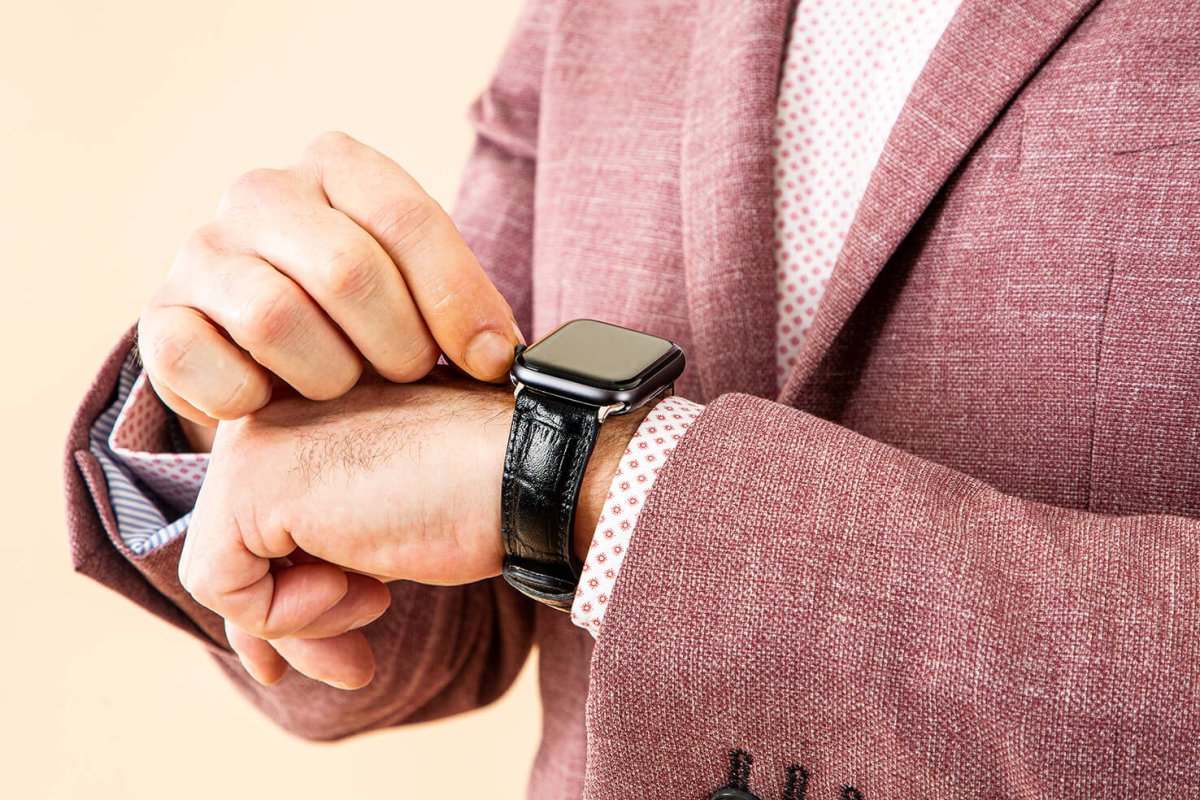
Your wrist deserves better than a seasonal strap. The cut of the leather defines the wearing experience. Rally bands offer a vintage, breathable feel with their signature perforations. Cuff bands provide a bold, rugged presence for a statement piece. Ultra-Slim bands disappear under a suit cuff for a minimalist, refined look. For those who refuse to compromise, Water Resistant Bands bridge the gap between artisanal style and daily utility. They handle the elements while maintaining their organic character. Always look for hypoallergenic linings. High-quality leather straps prioritize skin comfort for all-day wear. They shouldn't just look good; they should feel effortless.
Curating Your Workspace
Your desk is your primary interface. A Leather Deskmat transforms the entire workspace. It offers a superior mouse glide that synthetic pads can't replicate. The organic surface also provides acoustic benefits. It absorbs the sharp clicks and taps of a busy home office, creating a focused, professional environment. This is the quiet pride of owning something truly authentic. You aren't just filling a space with accessories. You're curating a collection of objects that carry weight and meaning. The debate of genuine leather vs faux leather ends with the realization that quality is an investment in yourself. Choose the material that grows better with every passing year. Choose the story of the hide.
Secure Your Style for the Future
Authenticity is a choice. It's the difference between an object that fails and one that flourishes. You've discovered the sensory markers of real hide. You know that patina is a record of your journey; a luxury that synthetics can never replicate. The "vegan" label often masks a plastic reality. Choosing between genuine leather vs faux leather is a decision about how you want your story to age. It's about valuing substance over volume.
Our Premium Full-Grain Leather is specifically designed for the iPhone 17 Pro Max. This ensures your most essential tech feels as good as it performs. We offer free shipping on orders over $99 to help you build a collection that lasts for decades. Your style is permanent. Your materials should be too. Experience the difference of authentic craft; shop O2 Leather's curated collection.
Invest in quality that breathes and matures. Your future self will thank you for the character you build today.
Frequently Asked Questions
Is vegan leather the same as faux leather?
Yes, they are functionally identical. "Vegan" is a modern marketing label used to appeal to ethical shoppers; however, the material is almost always a synthetic polymer like PU or PVC. While a tiny fraction of the market uses plant-based fibers, most vegan options are petroleum-based plastics. When comparing genuine leather vs faux leather, the "vegan" tag usually indicates a man-made product designed to mimic organic textures without the biological benefits.
Does genuine leather last longer than faux leather?
Yes, the lifespan of real hide far exceeds that of synthetics. Genuine leather consists of interwoven collagen fibers that offer incredible tensile strength. Most synthetic alternatives reach their "peel point" within 12 to 24 months. A premium leather accessory can last a decade or more with proper care. This longevity makes it a superior investment, as it avoids the constant replacement cycle required by cheap, fragile plastics.
Why does my faux leather watch band keep peeling?
Peeling occurs when the thin layer of polyurethane separates from the fabric backing. This usually happens because of repeated flexing, moisture exposure, or body heat. Synthetic materials don't have the structural integrity of animal hide. Once the chemical bonds in the plastic weaken, the surface cracks and flakes away. This is an inevitable stage in the lifecycle of most faux accessories, regardless of how carefully you treat them.
How can I tell if my iPhone case is real leather or plastic?
Look for natural grain irregularities and a rich, earthy scent. Real hide will have a random pore structure and may show minor scars or tonal shifts. You can also perform the wrinkle test by pressing your thumb into the material. Real leather will create fine creases around the pressure point, while plastic usually just depresses. An iPhone 17 Pro Max Leather Case should feel warm and supple to the touch.
Is real leather waterproof compared to synthetic options?
Real leather is naturally porous and water-resistant, but it isn't entirely waterproof unless specifically treated. It will absorb small amounts of moisture over time. Synthetics are non-porous plastics that cause water to bead on the surface. However, we offer Water Resistant Bands that utilize specialized tanning processes. These provide the organic feel of real hide with enhanced protection against the elements, giving you the best of both worlds for active use.
Does faux leather develop a patina over time?
No, faux leather cannot develop a patina. Patina is a biological process where oils and sunlight interact with organic fibers to create a deep, lustrous sheen. Synthetic materials are chemically inert and cannot evolve in this way. Instead of getting better with age, faux leather simply wears down. It loses its color and structural integrity until it eventually requires replacement. Real hide is the only material that records your personal history.
Is vegan leather actually better for the environment?
Not necessarily. Most vegan leather is made from fossil-fuel-derived plastics that take centuries to decompose. These materials shed microplastics into the ecosystem during their short lifespan. Real leather is a biological byproduct of the food industry that would otherwise become waste. When tanned using modern, chromium-free methods, it is a form of upcycling. Its long lifespan also reduces the total volume of waste sent to landfills compared to disposable synthetics.
Why is genuine leather more expensive than synthetic alternatives?
The cost reflects the complex, time-intensive process of sourcing and tanning natural hides. Real leather is a finite resource that requires artisanal skill to transform into a durable material. Synthetics are mass-produced in factories using cheap petroleum products. When you evaluate genuine leather vs faux leather, the higher initial price of real hide covers superior durability, a unique sensory experience, and a product that matures beautifully over many years.